Subscripe to be the first to know about our updates!
China’s new Twitter diplomacy in Africa used to challenge US critics
Date & time :
Friday, 10 January 2020
Eric Olander
After many years of silence, Chinese envoys are now finding their voice… on Twitter.
The Chinese government’s rapid adoption of Twitter over the past several months now appears to be entering a new phase as envoys across the continent are using the social media platform to launch much more pointed attacks against the United States and other critics.
Over the weekend, for example, Ambassador Lin Songtian in South Africa posted a Tweet where he accused Washington of having “evil intention(s)” for what he claims is the U.S. desire to foment unrest in Hong Kong and Xinjiang.
Neither the U.S. embassy nor the State Department appear to have responded to Ambassador Lin’s accusation.
Ambassador Lin’s focus on the ongoing unrest in China’s peripheral territories highlights a broader trend among Chinese diplomatic Tweets on the continent where there appears to be a concerted effort to challenge prevailing international news narratives about the turmoil in those regions and instead convey the Chinese government’s portrayal of events there.
Aside from Ambassador Lin, who is by far one of the most outspoken and active Chinese diplomats on Twitter, the embassies in Chad, Uganda and Kenya are the most active in posting Hong Kong and Xinjiang-related content.
Three reasons why Chinese diplomatic tweeting in Africa is important
- UNRIVALED: U.S. diplomats and embassies in Africa have, so far, held their fire in responding to the increasingly aggressive Chinese rhetoric on Twitter. A U.S. diplomat in South Africa, for example, told us that the embassy is still not sure how to respond to Ambassador Lin’s Tweets and that they’re reluctant to get into an online tit-for-tat with him. Other governments, namely France and Japan, who have openly criticized many aspects of Chinese engagement in Africa have similarly stayed quiet in challenging the Chinese on Twitter. For now, the Chinese effectively have this space to themselves, with Tweets largely going unchallenged by peer stakeholders.
- PRIMARY SOURCE: For years, Chinese diplomats and missions have been notoriously press-shy, making it difficult, if not almost impossible, to follow the activities of Chinese envoys around the world. Although these new Twitter accounts in Africa are an extension of public diplomacy and, as such, a form of official propaganda, they nonetheless provide primary source insight into the activities of Chinese missions in Africa as well as permitting outsiders to better understand their priorities and the personalities of Chinese diplomats in the region.
- NARRATIVE: The Chinese government has been extremely effective at rallying support for its positions in both Xinjiang and Hong Kong among developing countries, particularly in Africa. While U.S. and European countries have struggled over the past year to build a coalition at international organizations like the UN to challenge the well-documented internment of hundreds of thousands, possibly even millions, of Uighurs in Xinjiang, not a single African country has signed on. Similarly, with Hong Kong, countries from Ghana to Uganda have publicly embraced China’s position and support for the “One Country, Two Systems” policy framework. So now Twitter has become yet another method for Beijing to reaffirm what is already strong support in Africa for these kinds of controversial Chinese issues.
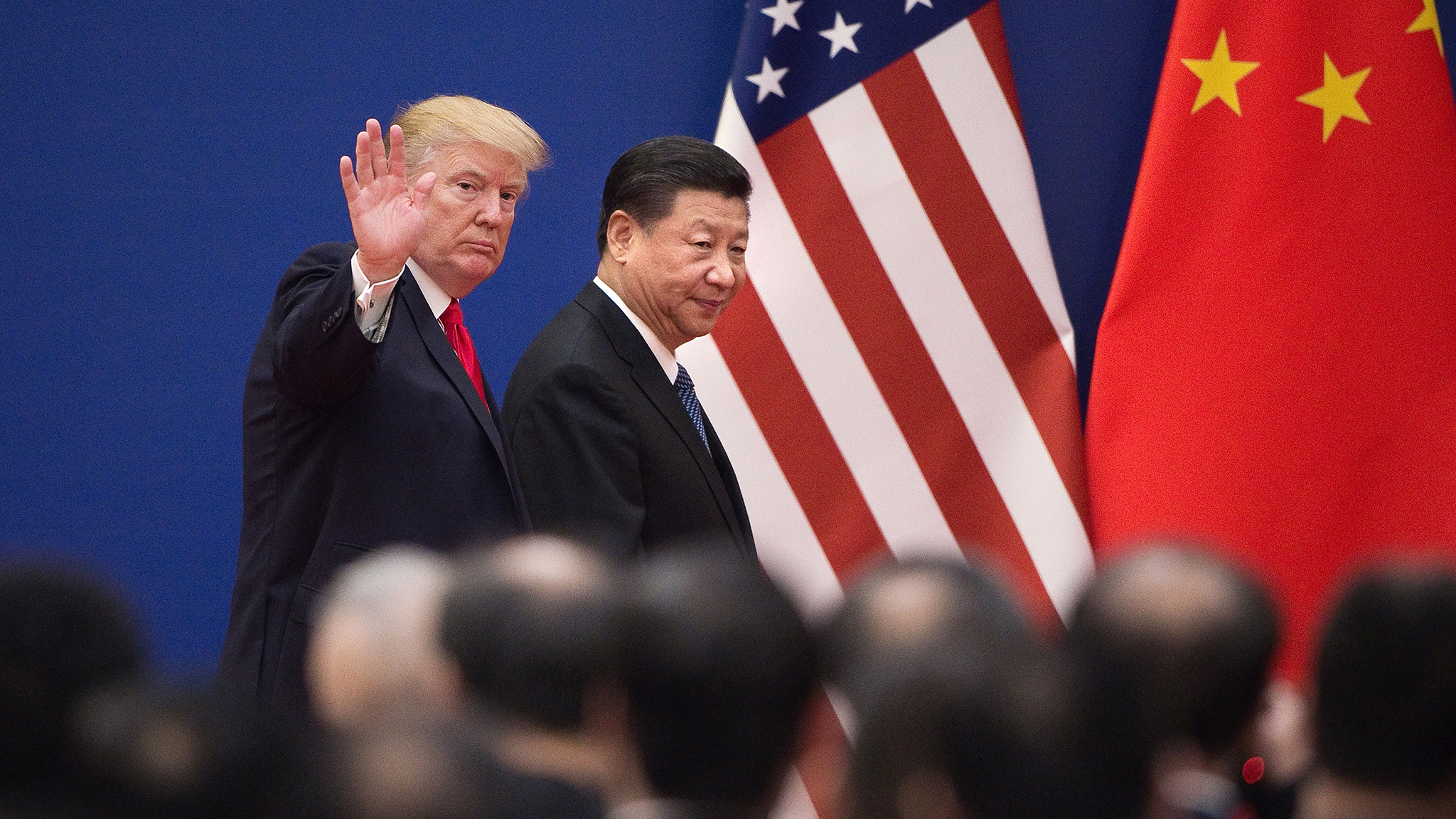
THE BOTTOM LINE: There’s a certain irony that the United States, whose own leader is arguably the most proficient politician on Twitter anywhere in the world, is seemingly caught flat-footed by the new Chinese assertiveness on the platform in places like Africa.
Envoys like U.S. ambassador-designate Lana Marks or the embassy in Pretoria will either have to start to mix it up with Ambassador Lin online or else just cede him this increasingly important public space.
sourse; The Africa Report