Subscripe to be the first to know about our updates!
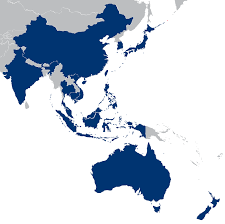
Envisioning an Asia-Pacific Economic Union in the next decade
Date & time :
Wednesday, 2 December 2020
AS 2020 comes to a close, it is worth discussing the great potential in the next decade for intra-regional trade within the Asia-Pacific region. In particular, the Regional Comprehensive Economic Partnership (RCEP), Association of Southeast Asian Nations (Asean) and the South Asian Association for Regional Cooperation (Saarc) have provided the foundation for greater economic integration and interconnectivity between Asian economies. Integration into the world economy has proven a powerful means for countries to develop and prosper. Thus, the development of an Asia-Pacific Economic Union can be envisioned for the next decade.
Key driver
For the short-to-medium-term future, international trade will be largely driven by a few regional economic giants. These nations will provide greater economic activity for other countries, located in Asia, which are part of the global supply chain. Specifically, greater linkage of major players in the region will see a beneficial increase in trade of smaller nations. Sri Lanka, as a relatively smaller economy in this region, will gain immensely through a greater economic union within Asia and can develop into a regional center for trade and investment. Its strategic location within the Asia-Pacific region provides great access to over 40 percent of global trade and over 2.5 billion consumers.
Small island nations
With US elections symbolizing a greater societal and political amalgamation of national powers, greater trade through global and regional policy reforms are becoming more prevalent. The recent signing of RCEP gives greater access to the largest economies in Asia. Along with India’s strong presence with the Asean, greater integration of Asian nations will benefit small nations like Sri Lanka, which is well-placed on global shipping lines linking the world. In addition, India’s Act East Asian foreign policy along with its Neighborhood First policy will strengthen Sri Lanka’s trade policy with Asean and RCEP member nations. Similarly, members of Asean will see Sri Lanka as a launching pad into South Asia and make use of increasing Saarc cooperation.
RCEP, Asean and Saarc
The greater connectivity through trade and investment, as a result of these multilateral agreements, may pave the way for a grouping of Asian countries similar to that of the European Union. In this respect, greater interdependence between the larger and smaller nations within and outside these regional blocs will provide the impetus for policy reforms. However, mutual gains are required for there to be a sustainable and enduring merger. It is important to ensure that increasing trade among all member nations does not come at the expense of national sovereignty.
By; The Manila Times